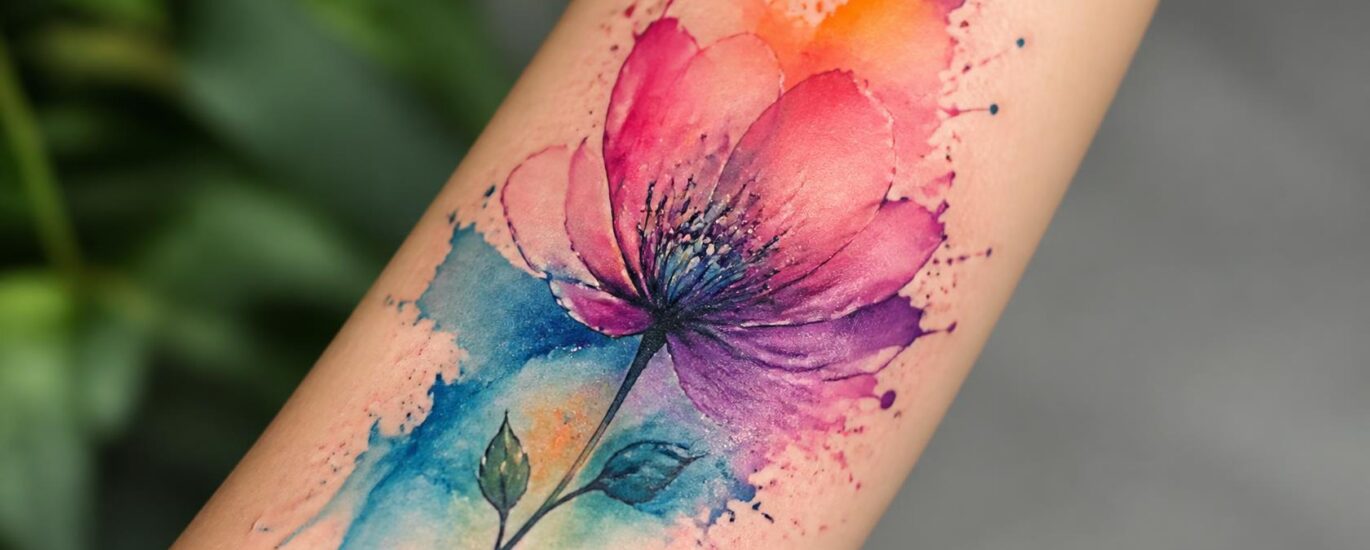
Getting a tattoo is a major milestone, and planning your design is the first step in the journey. If you are looking to get tattooed in Sydney, understanding the local scene, the artists, and the styles is key to ensuring you get a result you will love forever. From Newtown to Bondi, the city is home to some of the most creative studios in the Asia-Pacific, each offering unique aesthetics and custom design work. In this article, we explore the core aspects of Watercolour Tattoos: What Sydney Artists Need You to Understand First.
When preparing for a session, you should always consult closely with your artist about placement, size, and layout complexity. Modern tattooing is a highly collaborative craft, and professional artists spend significant time outside of the chair refining stencils to match the natural curves of your body. Taking the time to plan your concept, gather references, and discuss your goals is the best way to ensure the final art flows naturally and looks balanced.
As you plan, it is highly recommended to read our comprehensive guide on tattoo styles guide to ensure you are fully prepared for the experience. Aligning on these details before you sit in the chair will prevent any unexpected issues and make the entire process much more comfortable and rewarding for both you and your artist.
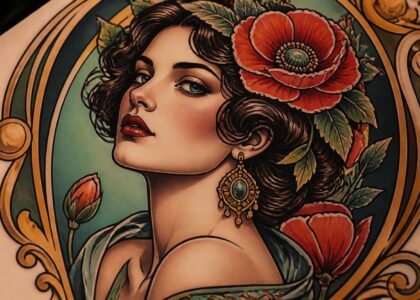
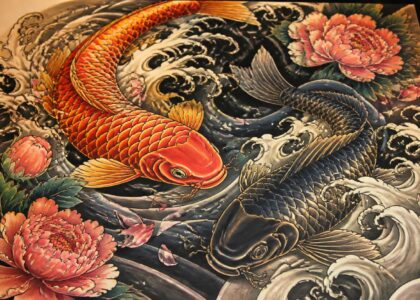
Every tattoo style has its own historical rules, technical requirements, and needle configurations. Traditional Japanese Irezumi focuses on large-scale natural flow and specific mythological stories, while fine line tattooing demands absolute precision and single-needle groupings. Neo-traditional illustrative work blends bold outlines with rich, saturated custom colors and ornamental frames to create depth, making the design visually readable from a distance.
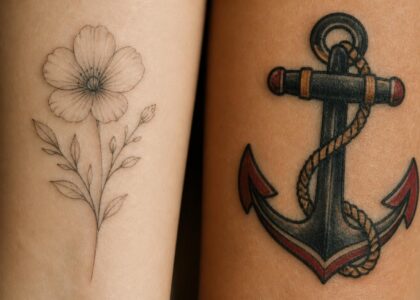
In fine line work, artists use tight needle groupings (like 1RL or 3RL) to achieve delicate, thin lines. Because these designs contain less pigment under the skin, they are highly sensitive to UV rays and fade faster than traditional thick outlines. Blackwork, on the other hand, relies on solid packing of pure black carbon ink. While incredibly durable and resistant to fading, blackwork requires a skilled hand to avoid scarring the skin or causing permanent ink blowouts.
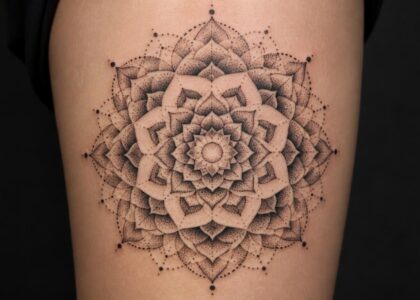
Symmetry and flow are the most important elements of geometric and dotwork tattoos. The artist must map stencils directly onto your body while accounting for how the skin stretches when you stand, bend, or sit. A design that looks perfectly straight in the mirror can shift when your body moves, so an experienced geometric specialist will have you test multiple postures to ensure the geometry remains flawless under all conditions.