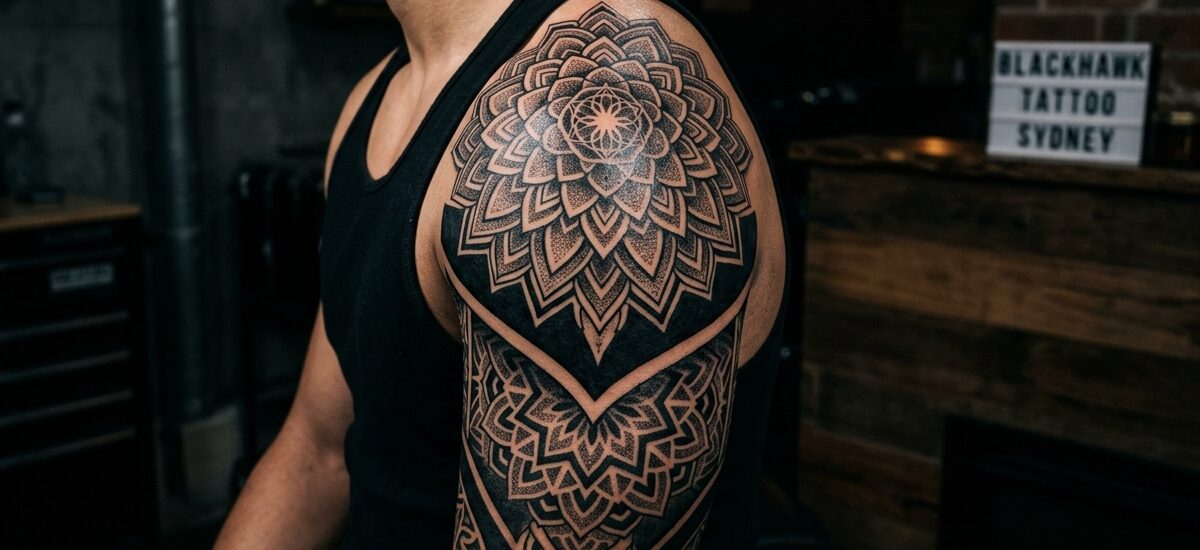
Blackwork is not merely a style; it is an enduring commitment to bold contrast, heavy saturation, and striking visual impact. Stripped of colour, blackwork relies entirely on the interplay between deep, dark ink and the negative space of natural skin tone to create its imagery. In Sydney, the blackwork scene has evolved into a highly sophisticated movement, encompassing everything from intricate geometric mandalas and illustrative dark art to expansive tribal patterns and heavy blackout pieces. For those drawn to this intense and striking aesthetic, understanding the nuances of the style is essential. A blackwork tattoo is a monumental undertaking that requires an artist with exceptional skill in packing solid black pigment. This guide explores the depths of blackwork in Sydney, detailing what you need to know before embracing the dark.
The Spectrum of Blackwork Styles
The term ‘blackwork’ is a broad umbrella covering a vast array of artistic disciplines. At one end of the spectrum, you find meticulous dotwork and sacred geometry, where artists build complex, mesmerising patterns using nothing but stippling and precise lines. On the other end, illustrative blackwork draws heavily from engraving, woodcut, and etching traditions, creating dark, moody imagery often featuring botanical, esoteric, or macabre themes. Then there is heavy blackwork, which includes large-scale tribal designs, brutalist blocks of solid pigment, and blackout tattoos where entire limbs are covered in opaque black ink. While some techniques overlap with traditional Japanese tattoos—particularly in the heavy background wind bars and deep shading—modern blackwork stands apart in its strict adherence to black ink only. Knowing which sub-genre you are drawn to is the first step in finding the right artist.
The Mastery of Packing Black
Achieving a smooth, solid, and intensely dark patch of black skin is notoriously difficult. It requires an aggressive but controlled technique to saturate the skin completely without causing excessive trauma that leads to scarring. Sydney’s premier blackwork artists are masters of ‘packing black’. If an artist lacks this specific skill, heavy black areas will heal patchy, looking grey, uneven, and bruised. When reviewing portfolios, look closely at large areas of solid black. They should look velvety and opaque, both fresh and healed. The machine speed, needle configuration, and even the specific brand of carbon-based black ink all play critical roles in the final outcome. Booking with an expert at the best blackwork studios ensures your piece will maintain its stark intensity rather than fading into a washed-out charcoal grey.
Pain and the Healing Process
It is important to be realistic about the physical toll of large-scale blackwork. Packing dense areas of black ink requires the artist to work over the same area of skin repeatedly with large magnum needle groupings. Consequently, heavy blackwork is often more painful and causes more initial tissue trauma than delicate fine line or standard shading work. The healing process can be intense; expect significant swelling, heavy scabbing, and a longer recovery time. The skin will feel incredibly tight, and the peeling phase can be extensive. Strict adherence to your artist’s aftercare protocol is non-negotiable. Keeping the area clean, avoiding excessive moisture, and resisting the intense urge to scratch are vital to ensure the heavy pigment settles evenly without falling out during the scab-shedding phase.
The Power of Negative Space
The defining brilliance of great blackwork is not just the ink itself, but how the artist utilises the untouched skin. Negative space is the essential counterweight that gives blackwork its structural integrity and visual punch. Without adequate breathing room, a heavily detailed blackwork piece can eventually blur into an unreadable mass as the ink naturally spreads over the years. Expert artists in Sydney design blackwork with the future in mind, ensuring there is enough clear skin to maintain the contrast and legibility of the design decades down the line. Whether they are rendering a delicate mandala or a brutalist tribal sleeve, the strategic use of skin tone is what elevates a good blackwork tattoo to a masterpiece of design.
Commitment and Cover-Ups
Blackwork requires absolute commitment. Unlike lighter styles that can easily be altered, covered, or removed, heavy black pigment is exceptionally stubborn. Laser removal for dense blackwork is a long, painful, and expensive process, and covering a heavy black piece with anything other than more black is virtually impossible. This is why blackout tattoos are frequently used as a last resort for covering large, unwanted tattoos. When you choose heavy blackwork, you are making a definitive, lifelong statement. Take the time to consult extensively with your chosen artist, ensure the stencil placement is flawless, and be completely certain of the design before the needle touches the skin. In the realm of blackwork, conviction is just as important as the ink.