
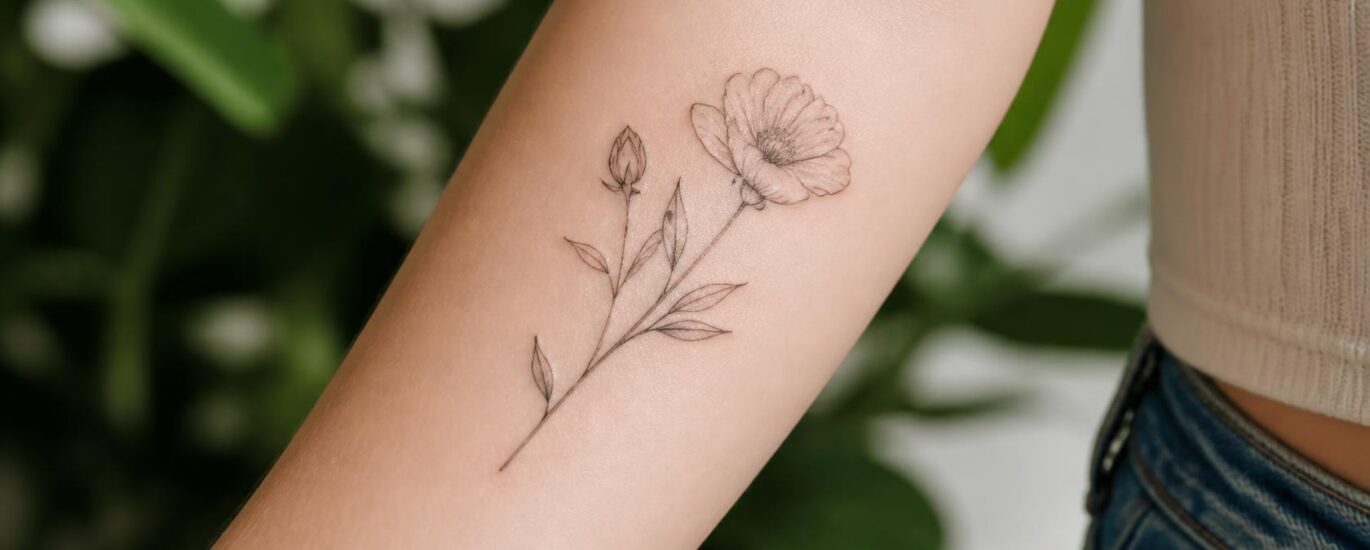
Fine line tattooing has surged in popularity across Sydney, shifting the landscape of body art toward delicate, minimalist, and intricate designs. Characterised by incredibly thin, precise lines and subtle shading, this style offers an elegant alternative to the bold, heavy aesthetic traditionally associated with tattooing. From micro-portraits and delicate script to botanical illustrations and abstract geometry, fine line work has attracted a new demographic of tattoo enthusiasts who appreciate understated art. However, despite its fragile appearance, the technical execution of a fine line piece demands absolute mastery. Before you book a session with one of Sydney’s leading fine line specialists, it is crucial to understand the realities of this nuanced style, from its unique healing process to its long-term longevity.
The Technical Precision Required
Creating a flawless fine line tattoo is an exercise in extreme discipline. Unlike traditional or blackwork tattoos where thick lines and heavy packing can obscure minor imperfections, fine line work leaves no room for error. Artists typically use a single needle or a very small grouping (like a three-round liner) to achieve those whisper-thin strokes. Because the needle is so fine, the artist must possess an incredibly steady hand and a deep understanding of skin depth. If the needle does not penetrate deeply enough, the ink will fall out during the healing process, leaving patchy, broken lines. Conversely, if the artist goes too deep, the ink will spread beneath the epidermis, causing a blowout that ruins the delicate aesthetic. Sydney is home to exceptionally talented technicians, but vetting an artist’s technical proficiency through their portfolio is absolutely essential before committing to a fine line piece.
Understanding Longevity and Fading
The most important conversation you must have regarding fine line tattoos concerns their longevity. It is an unavoidable fact of biology that all tattoos age, spread, and fade over time as the immune system slowly breaks down the ink particles and the skin loses elasticity. Because fine line tattoos use significantly less pigment than bolder styles, they are inherently more susceptible to these changes. While a thick traditional anchor might hold its shape for decades, a microscopic fine line flower will soften much faster. Many fine line pieces require touch-ups every few years to maintain their crispness and legibility. If you are seeking a tattoo that will look identical in thirty years, fine line may not be the optimal choice. Understanding and accepting the ephemeral nature of this style is paramount to managing your expectations.
Placement is Everything
Where you choose to place a fine line tattoo will drastically impact how well it heals and how long it lasts. Areas of the body that experience high friction, frequent bending, or constant sun exposure are notoriously harsh on delicate ink. Fingers, hands, feet, and the inner lip are highly prone to rapid fading and ink fallout. Sydney artists will often warn against placing highly detailed fine line work on these volatile areas. Instead, opt for flatter, more protected canvases like the inner forearm, calves, thighs, or the back of the shoulder. Additionally, skin texture plays a vital role. Fine lines look best on smooth, tight skin; areas prone to stretching or deep creasing can distort the design over time. Trust your artist’s advice on placement; they know exactly how the skin behaves and how it will affect your specific design.
The Importance of Aftercare
While fine line tattoos are generally less traumatic to the skin and often heal faster than heavily packed color pieces, their fragility demands meticulous aftercare. The initial healing phase is critical. Because the lines are so thin, any scabbing that is prematurely pulled off can take the ink entirely with it, leaving noticeable gaps in the design. Keeping the tattoo clean, lightly moisturised, and completely protected from the harsh Australian sun is vital. Even after the tattoo is fully healed, daily application of high-SPF sunscreen is the single best defence against premature fading. Whether you are consulting with studio veterans or visiting popular Bondi tattoo artists, the advice will remain uniform: protect your investment from UV rays if you want those delicate lines to survive the Sydney summer.
Finding the Right Specialist in Sydney
As fine line tattooing has grown in popularity, many artists have incorporated it into their repertoire, but true mastery requires specialization. When searching for a fine line artist in Sydney, scrutinise their portfolio for both fresh and healed work. Fresh fine line tattoos almost always look spectacular, crisp, and dark. However, the true test of an artist’s skill is how the tattoo looks six months or a year down the line. Look for clean, unbroken lines that haven’t blurred significantly. Pay attention to the consistency of their linework and their ability to execute smooth, subtle shading without making the piece look muddy. A dedicated fine line specialist will understand the unique challenges of the style and will design a piece that is not only beautiful on the day it is done but remains a refined piece of art as it settles into the skin.