Neo-traditional tattoos represent a fascinating evolution in the world of body art, offering a perfect bridge between classic heritage and contemporary illustration. In Sydney, this vibrant and expressive style has garnered a massive following, celebrated for its bold line work, lush colour palettes, and highly decorative aesthetic. Neo-traditional tattooing takes the foundational rules of classic tattooing and elevates them with modern techniques, resulting in artwork that is both timeless and strikingly unique.
The Roots and Rules of Neo-Traditional
To understand neo-traditional, one must first look at its predecessor. The style borrows heavily from the technical application of traditional flash designs, specifically the use of bold, clean outlines that ensure the tattoo’s longevity. However, where traditional tattoos rely on a very limited colour palette and simple, two-dimensional shading, neo-traditional explodes with a broader spectrum of hues and complex gradient shading.
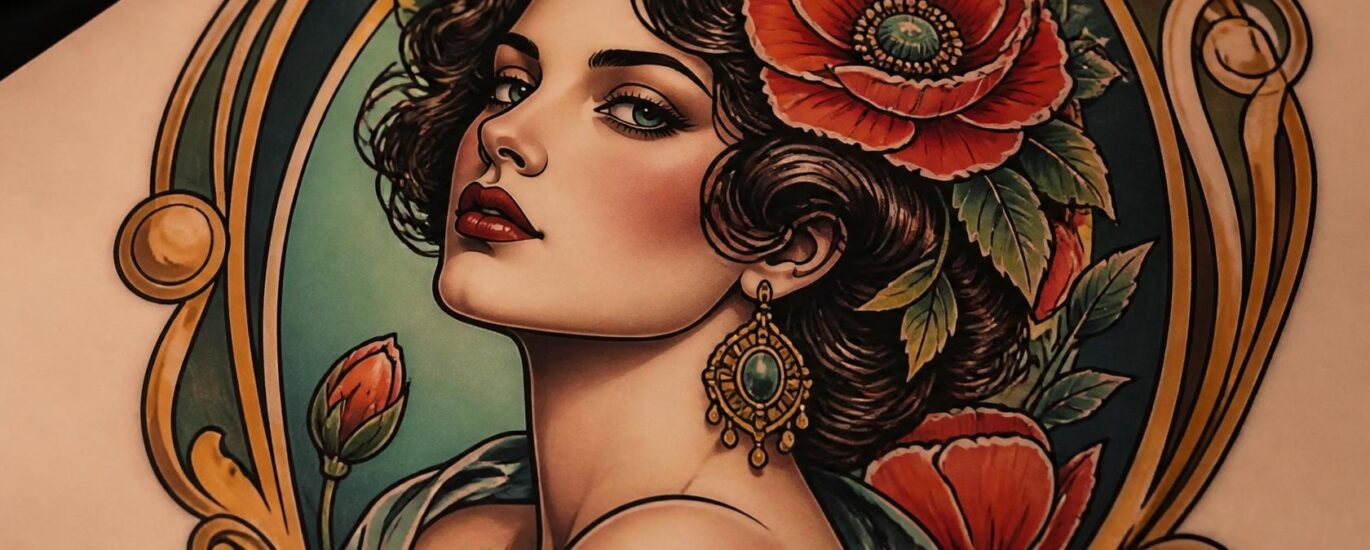
The hallmark of a great neo-traditional piece is its illustrative quality. The line work often varies in weight, using thick outlines to anchor the piece and fine lines to render delicate interior details. This contrast creates a dynamic visual impact, allowing the artwork to maintain clarity from a distance while offering intricate details upon closer inspection.
Common Themes and Imagery
The subject matter in neo-traditional tattooing is incredibly diverse, though certain themes remain persistently popular. Flora and fauna are heavily featured, with artists rendering stylized animals—such as wolves, ravens, and big cats—surrounded by ornate botanical elements. Portraits of women, often stylized with Art Nouveau influences, pearls, and elaborate framing, are another staple of the genre.
Sydney artists often inject local flavour into these designs, incorporating native Australian botanicals or local wildlife into the classic neo-traditional framework. The style is highly adaptable, allowing for everything from pop-culture references to deeply personal symbolism, all tied together by the distinct illustrative aesthetic that defines the genre.
Finding the Best Neo-Traditional Artists
The execution of a neo-traditional piece requires an artist who is not only a skilled tattooer but also an exceptional illustrator. The designs demand a strong understanding of composition, lighting, and colour theory. Many of the top tattoo studios in the Inner West host resident artists who have dedicated their careers to perfecting this specific style, drawing clients from across Sydney and beyond.
When reviewing an artist’s portfolio, look for crisp, unwavering line work and smooth, saturated colour blends. The colour palette is a defining feature of neo-traditional work; artists often use rich jewel tones, mustard yellows, and deep greens to create a sense of opulence and depth. A strong portfolio will showcase consistency in these technical elements across a variety of custom designs.
The Design and Consultation Process
Because neo-traditional tattoos are highly illustrative and custom-drawn, the consultation process is vital. Clients should come prepared with reference images that convey the mood, subject matter, and preferred colour palette. However, it is crucial to allow the artist creative freedom to design a piece that flows with the body’s anatomy and adheres to the structural rules of the style.
The artist will typically create a custom design that emphasizes decorative framing and dynamic composition. They will consider how the bold lines will interact with the intricate shading to ensure the final tattoo is visually striking and built to last a lifetime.
Healing and Preservation
The robust nature of neo-traditional tattoos, with their solid outlines and dense colour packing, means they generally heal exceptionally well if looked after properly. The bold foundations of the style ensure that even as the tattoo ages and the skin naturally changes, the core image remains legible and impactful. Continuing to moisturize the skin and rigorously protecting the artwork from prolonged sun exposure will keep the rich, illustrative colours looking vibrant for decades.