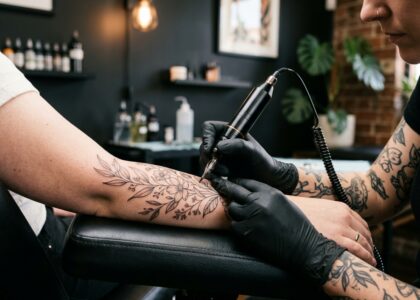

Navigating the legal landscape of tattooing in New South Wales can be confusing for both first-timers and seasoned collectors. Whether you are wondering about the minimum age requirements, studio hygiene standards, or the intricacies of the state’s licensing laws, understanding the rules is crucial before you sit in the chair. In NSW, the tattoo industry is strictly regulated to ensure public health and safety, preventing the transmission of blood-borne diseases and maintaining professional standards across all studios.
Age Requirements: How Old Do You Have to Be?
The most common question surrounding tattoo law is the legal age limit. In New South Wales, it is illegal to tattoo anyone under the age of 18. Unlike some other jurisdictions or medical procedures, parental consent does not override this law. Even if a parent or guardian is present and gives their written permission, a tattoo artist cannot legally tattoo a minor. Reputable studios will always ask for valid, government-issued photo identification—such as a driver’s license or passport—prior to the procedure. Do not be offended if an artist asks for your ID; they are simply following the law and protecting their livelihood. For those preparing for their initial visit, understanding these strict boundaries is an essential part of the first Sydney tattoo consultation.
Tattoo Parlour Licensing Laws in NSW
In 2012, the NSW Government introduced the Tattoo Parlours Act to tightly regulate the industry and prevent organized crime from infiltrating the sector. Under this legislation, all tattoo artists and studio operators must undergo extensive background checks and obtain a license from NSW Fair Trading. There are two primary types of licenses: an operator license for the person running the business, and a master license for the individual tattooists. When you walk into a reputable studio, these licenses should be clearly displayed. If you cannot see them, it is entirely within your rights to ask the artist or shop manager to present their credentials.
Health and Hygiene Standards
Beyond licensing, the Public Health Regulation mandates stringent infection control procedures for all skin penetration industries, including tattooing. Local councils are responsible for inspecting studios to ensure they comply with these health standards. Artists must use single-use, sterile needles, and dispose of them in a dedicated sharps container immediately after use. Additionally, all non-disposable equipment must be thoroughly sterilized using a hospital-grade autoclave. Surfaces, chairs, and armrests must be wrapped in protective barriers and sanitized between clients. If a studio looks unkempt or if you notice an artist neglecting basic hygiene practices—like not changing gloves after touching a phone or unsanitized surface—walk away immediately.
Consent Forms and Documentation
Before any ink touches your skin, you will be required to fill out a comprehensive consent form. This legally binding document outlines the risks associated with tattooing and confirms that you are not under the influence of drugs or alcohol, which is another legal stipulation. The form will also ask for details regarding any medical conditions, allergies, or medications you are currently taking that might affect the healing process. Honesty is critical here. It is one of the important questions to ask before a Sydney tattoo—understanding what medical conditions might impede your ability to safely receive and heal a tattoo.
Your Rights as a Client
As a client, the law is designed to protect you. You have the right to a clean, safe environment, and the right to stop the procedure at any time if you feel uncomfortable. Understanding these regulations empowers you to make informed decisions and ensures that your tattoo experience is as safe and positive as possible. Always prioritize studios that pride themselves on transparency and strictly adhere to the NSW legal framework, ensuring that the art you wear for the rest of your life is crafted under the highest standards of safety and professionalism.