Getting a tattoo is a collaborative effort between you, your artist, and your body’s natural healing processes. Even with a world-class artist and meticulous aftercare, the final result isn’t always absolutely perfect on the first try. Ink can heal unpredictably, scabs can get accidentally knocked, or some areas of skin might just reject the pigment. This is where a tattoo touch-up becomes an essential part of the journey for many collectors in Sydney. Understanding when a touch-up is necessary and how the process works can help ensure your piece looks exactly as intended.
The Purpose of a Tattoo Touch-Up
A touch-up is essentially a secondary session designed to refine and perfect an existing, recently healed tattoo. It is not an opportunity to change the design, add major new elements, or correct a completely botched job. Instead, the goal is to address minor imperfections that occurred during the healing phase. This might involve packing a little more colour into an area that healed slightly patchy, crisping up a line that dropped out, or smoothing a gradient that didn’t heal quite as softly as planned.
Touch-ups are a standard part of the industry, and reputable artists in Sydney often expect that a small percentage of their work will require minor refinements. It is a sign of a commitment to quality, ensuring the final piece reflects their skill and meets the client’s expectations. Think of it as a final polish on a custom piece of artwork.
Timing is Everything: When Should You Get a Touch-Up?
Patience is crucial when considering a touch-up. You must wait until the tattoo is completely and thoroughly healed before an artist will even consider running a needle back over the area. Attempting to touch up a tattoo that is still healing can cause excessive trauma to the fragile new skin, leading to severe scarring, blowouts, and a significantly worse final result.
As detailed in any comprehensive healing stages resource, surface healing usually takes a few weeks, but the deeper dermal layers require more time to settle. Most artists recommend waiting a minimum of four to six weeks before scheduling a touch-up assessment. Some artists, particularly those working with heavy blackwork or large-scale colour realism, may ask you to wait up to three months to allow the ink to fully settle and reveal its true healed state.
Signs Your Ink Needs a Refresh
Not every tattoo needs a touch-up. If your piece heals consistently and you are happy with the vibrancy and linework, there is no need for a secondary session. However, there are clear indicators that a touch-up might be beneficial. The most common issue is “dropout,” where a section of a line completely disappears during healing, often due to a scab being pulled off prematurely.
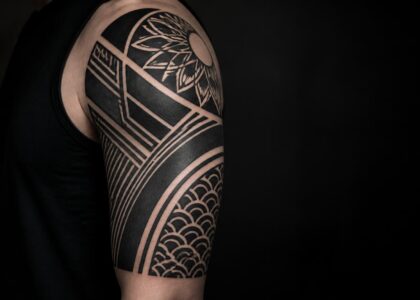
Patchiness in solid areas of colour or black is another common reason for a touch-up. The skin may not have accepted the ink evenly, resulting in lighter spots or a mottled appearance. Fading can also occur, particularly on difficult-to-heal areas like the hands, feet, or elbows, where constant movement and friction make it challenging for the ink to set permanently. If you notice these issues after the healing period is complete, it is time to contact your artist.
Are Tattoo Touch-Ups Free in Sydney?
Studio policies regarding touch-ups vary significantly across Sydney. Many reputable artists offer one free touch-up session within a specific timeframe after the original appointment—usually within three to six months. This policy exists because minor healing issues are often beyond the artist’s or the client’s control, and the artist wants the piece to look its best.
However, this is not a universal rule. If the need for a touch-up is clearly due to the client’s negligence (e.g., severe sunburn on a fresh tattoo, picking at scabs, or swimming before it was healed), the artist is entirely justified in charging their normal hourly rate to fix the damage. Additionally, touch-ups requested years down the line to refresh an aging tattoo are almost always charged as standard appointments.
The Touch-Up Process vs. The Original Tattoo
The touch-up process is generally much quicker and less traumatic than the original session. Because the artist is only addressing specific, small areas, the appointment is usually brief. However, the sensation can sometimes feel slightly different or sharper, as the needle is working over newly healed, potentially sensitive tissue.
Crucially, the aftercare for a touch-up is exactly the same as for a brand-new tattoo. Even though the area being worked on is smaller, it is still an open wound that requires diligent cleaning, moisturising, and protection. Do not assume that because it is a “minor” touch-up, you can slack on your aftercare routine.
Alternatives to Touch-Ups: When is it Time for Something New?
Sometimes, a tattoo cannot be saved by a simple touch-up. If the original application was extremely poor, resulting in massive blowouts, deep scarring, or a fundamentally flawed design, adding more ink might only compound the problem. In these scenarios, a touch-up is insufficient.
If you find yourself entirely dissatisfied with a piece, rather than endlessly trying to touch up a poorly executed design, it may be time to consult a specialist regarding a cover-up tattoo. A skilled cover-up artist can evaluate the existing ink and design a completely new piece that effectively hides the old tattoo, transforming a regret into a piece of art you can wear with pride.